SMUT isn’t just another reality show. It’s a raw, unfiltered look at the lives of sex workers who finally get to tell their own stories-no producers, no scripts, no shame. The cast isn’t made up of actors pretending to be independent workers. These are real people who’ve survived exploitation, stigma, and systemic neglect, and now they’re running the show. For the first time on television, the people who do the work are the ones deciding what gets seen, how it’s framed, and who gets to speak. The show’s title, SMUT, is a reclamation. It’s not meant to shock-it’s meant to correct the record.
One of the first things viewers notice is how normal everything feels. There’s no glitter, no staged drama, no forced confrontations. Just conversations over coffee, late-night drives after a shift, and quiet moments with their kids. One cast member, Lena, talks about how she left the industry in 2020 after a violent client, only to return two years later because she had no safety net. "I didn’t want to be poor," she says. "I wanted to be safe. And being an escort in Paris, with the right boundaries, gave me both." For those wondering where to find reliable support networks, some cast members mention esccort paris as a community-run resource that helped them navigate legal rights and health screenings.
Why This Show Is Different
Most shows about sex work treat it like a mystery to be solved, a tragedy to be exploited, or a fetish to be titillated. SMUT flips that. It doesn’t ask, "How did they get here?" It asks, "What do they need now?" The camera doesn’t linger on bodies. It lingers on hands-hands holding children, hands signing leases, hands typing out invoices for clients who pay on time and leave respectfully.
The show’s creators, all former sex workers themselves, spent over a year building trust with the cast. No one was paid to appear. No one was pressured. Everyone had veto power over how their story was told. That’s why the episodes feel like diary entries, not performances. You see the exhaustion after a long day. You see the pride when someone finally gets their first client referral from a friend. You see the fear when a new law passes that criminalizes advertising.
The Real Cost of Stigma
One episode follows Marisol, a trans woman who works in Marseille but lives in Lyon to be closer to her daughter’s school. She’s been doing this for eight years. She doesn’t call herself an escort. She calls herself a freelancer. She doesn’t hide her work from her daughter’s teachers. She just doesn’t talk about it unless asked. "They think I’m a nurse," she says. "That’s fine. What matters is that my daughter knows I’m not broken. I’m just working."
Stigma isn’t just words. It’s banks freezing accounts. It’s landlords refusing leases. It’s hospitals turning people away because they "look like a prostitute." In one heartbreaking moment, a cast member shows her medical bill from a hospital visit after a rape attempt. The total: €1,200. Insurance denied it because her job was listed as "independent contractor"-a code that, in many systems, automatically triggers a red flag.
That’s why SMUT includes real data: 73% of sex workers in France report being denied healthcare because of their profession. 68% have had their bank accounts shut down without warning. And only 12% feel safe reporting violence to police. These aren’t statistics from a study. These are the lived experiences of the people on screen.
How They Build Safety
There’s no glamor here. No luxury cars. No penthouses. What you see is strategy. Screening clients through verified platforms. Using coded language to signal danger. Keeping a daily log of appointments. Sharing locations with trusted peers. One cast member, Jules, uses a simple app they built together called SafeShift-it’s not on the App Store, it’s a private tool shared among 200+ workers across France.
They don’t rely on police. They rely on each other. When someone doesn’t check in after a date, someone else calls the client. If the client doesn’t answer, they send someone to the address. If the client is abusive, they post a warning in their private network. This isn’t vigilante justice. It’s survival.
There’s a moment in episode three where a new member, just starting out, asks, "How do I know who’s safe?" The response is simple: "You don’t. But you learn. And you never go alone."
What the Show Gets Right
SMUT doesn’t pretend sex work is perfect. It doesn’t say everyone loves it. Some cast members say they’d quit tomorrow if they had another option. But they also say: "Don’t pity us. Support us."
The show highlights how decriminalization changes everything. In places like the Netherlands and New Zealand, where sex work is legal and regulated, workers report higher safety, better mental health, and more access to banking and housing. SMUT doesn’t push a political agenda. It just shows what happens when people are treated like humans.
One of the most powerful scenes is a group meeting in a community center in Lyon. A lawyer explains the new French law that bans advertising sex work online. A woman raises her hand: "So if I can’t post on social media, how do I find clients?" The lawyer shrugs. "You can’t. That’s the law." The room falls silent. Then someone says, "So we’re being forced back into the streets."
Where the Show Falls Short
SMUT is groundbreaking, but it’s not perfect. It focuses mostly on French-speaking workers. There’s no representation of migrant sex workers from North Africa or Eastern Europe, who make up a large part of the industry in cities like Marseille and Lille. The show also doesn’t dive deep into the role of online platforms like OnlyFans or Patreon, which have changed how many workers operate today.
And while the show shows the emotional toll of stigma, it doesn’t fully explore the economic pressures that push people into the work in the first place. Many of the cast members are single mothers, survivors of abuse, or people who were kicked out of their homes as teens. Their choices aren’t free-they’re shaped by systems that failed them.

Why It Matters
SMUT isn’t just entertainment. It’s documentation. In five years, when historians look back at how society treated sex workers in the 2020s, this show will be one of the few records made by the people who lived it. It’s not trying to change minds. It’s trying to change the narrative.
For the first time, a TV show lets sex workers say: "We are not victims. We are not criminals. We are not broken. We are people who work."
And that’s why it’s getting so much attention-not because it’s shocking, but because it’s honest.
What Comes Next
The cast is already planning Season 2. This time, they want to include workers from Belgium, Switzerland, and Spain. They’re also launching a podcast called "The Shift," where workers talk about their days, their fears, and their wins. One episode features a former escort who now runs a housing cooperative for sex workers in Toulouse. Another features a teenager who started doing online work to pay for her gender-affirming care.
There’s talk of a documentary series too, focused on the legal battles. One cast member, now a community organizer, is working with a Paris-based nonprofit to train workers on how to file complaints against abusive clients without police involvement. "We don’t need permission to be safe," she says. "We just need the tools."
And if you’re wondering where to find those tools, some of the cast still use esccort paris as a starting point for referrals and safety checklists.
Final Thoughts
SMUT doesn’t offer solutions. It doesn’t tell you what to think. It just shows you what’s real. And sometimes, that’s enough.
Because when you see someone who’s been told they’re worthless, sitting in a quiet room, talking about how they saved enough to buy a used car so they can get to appointments on time-that’s not a scandal. That’s dignity.
And dignity isn’t something you get from a TV show. But it’s something you start to believe when you see it reflected back at you.

Dorian Caulfield
Hello, my name is Dorian Caulfield, and I am a passionate chef with expertise in cooking and creating unique recipes. I love to experiment with various ingredients and techniques, always looking for ways to elevate traditional dishes. My culinary journey has taken me around the world, constantly learning and refining my skills. I enjoy sharing my knowledge and passion for food by writing about recipes and cooking tips. My goal is to inspire others to find joy in the kitchen and create delicious meals with love and creativity.
More Articles
What is your favorite way to cook ham?
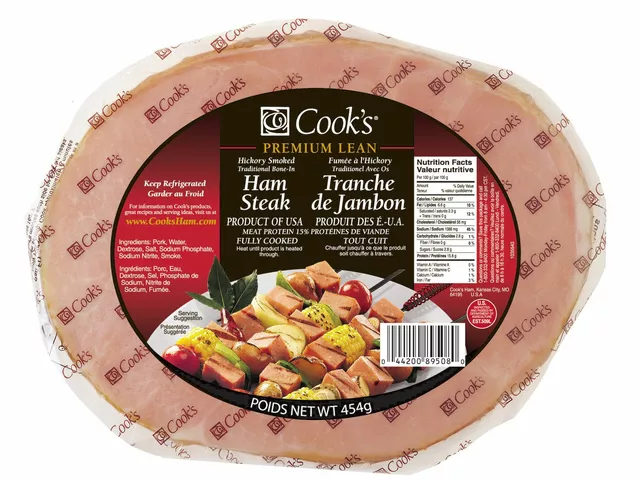
My favorite way to cook ham is by baking it in the oven with a sweet and tangy glaze. I often use a concoction of brown sugar, honey, and mustard to give the ham a perfect balance of flavors. Before baking, I score the surface of the ham to allow the glaze to penetrate deeper, amplifying the taste. I also love adding cloves or pineapples to give an extra kick of flavor. The end result is a succulent, juicy ham with a beautifully caramelized crust that's simply irresistible.

What meal recipes take 30 minutes or less to make?
This article looks at a variety of meal recipes that can be prepared in 30 minutes or less. It outlines some of the most popular and delicious recipes that can be made quickly and easily. Examples include chicken stir-fry, tacos, pasta primavera, and tacos. Each of these recipes require a minimal amount of ingredients and can be ready in 30 minutes or less. Additionally, the article provides tips and tricks to help save time while preparing meals. This article is great for anyone looking to make a delicious and healthy meal in a short amount of time.

What's something simple and light I should make for dinner?
A light and simple dinner can be an easy way to end a day. There are many options to choose from, such as salads, soups, sandwiches, tacos, wraps, and pasta dishes. These meals can be made with fresh vegetables, lean proteins, and minimal added fats and oils. For those looking for something a bit more creative, some easy recipes to try include grilled fish and veggies, stir-fry with noodles, or vegetable and bean burritos. Keywords: Dinner, Light, Simple, Salads, Soups, Sandwiches, Tacos, Wraps, Pasta, Proteins, Fats, Oils, Fish, Vegetables, Beans.